January 23, 2026
Understanding roofing estimates is crucial for homeowners and contractors alike. While many factors in a roofing estimate are clear-cut, there are numerous hidden elements that can significantly influence the final cost. This article delves into those often-overlooked factors to give you a comprehensive understanding of how they shape your final roofing estimate. From the intricacies of local climate to the specifics of architectural design, these elements can vastly influence budgeting and planning. Awareness of these factors can aid in navigating the complexities of roofing projects.
Local Climate and Weather Impacts
Seasons play a pivotal role in determining material availability and labor costs for roofing projects. During certain peak periods, there's a heightened demand for roofing services, which can drive up prices due to the scarcity of both materials and skilled labor. For instance, summer is often a busy time for roof installations, leading to potential delays and increased costs. Additionally, the urgency of addressing weather-related damage after storms can also inflate costs. Understanding this seasonality is crucial for estimating project timelines and budgets accurately.
Weather is an unpredictable force that can significantly influence roofing costs. Storms and severe weather events can cause unexpected damage, necessitating additional repairs or modifications. Such events might require immediate attention, leading to unplanned expenditures that inflate the initial roofing estimate. Moreover, regions prone to hurricanes or heavy snowfall may see a higher baseline in estimates due to potential emergency work. Being aware of these factors is essential for contingency planning in roofing projects.
The local climate necessitates specific roofing types to ensure durability and longevity. In regions prone to high humidity, materials resistant to moisture and mold are essential to prevent frequent repairs. Conversely, areas with extreme heat may require materials that reflect sunlight and reduce heat absorption. Roofing options suited to specific climates can be more expensive initially but can save on long-term maintenance. Thus, investing in the right materials according to climate can prove cost-effective over time.
Material Quality and Type Considerations
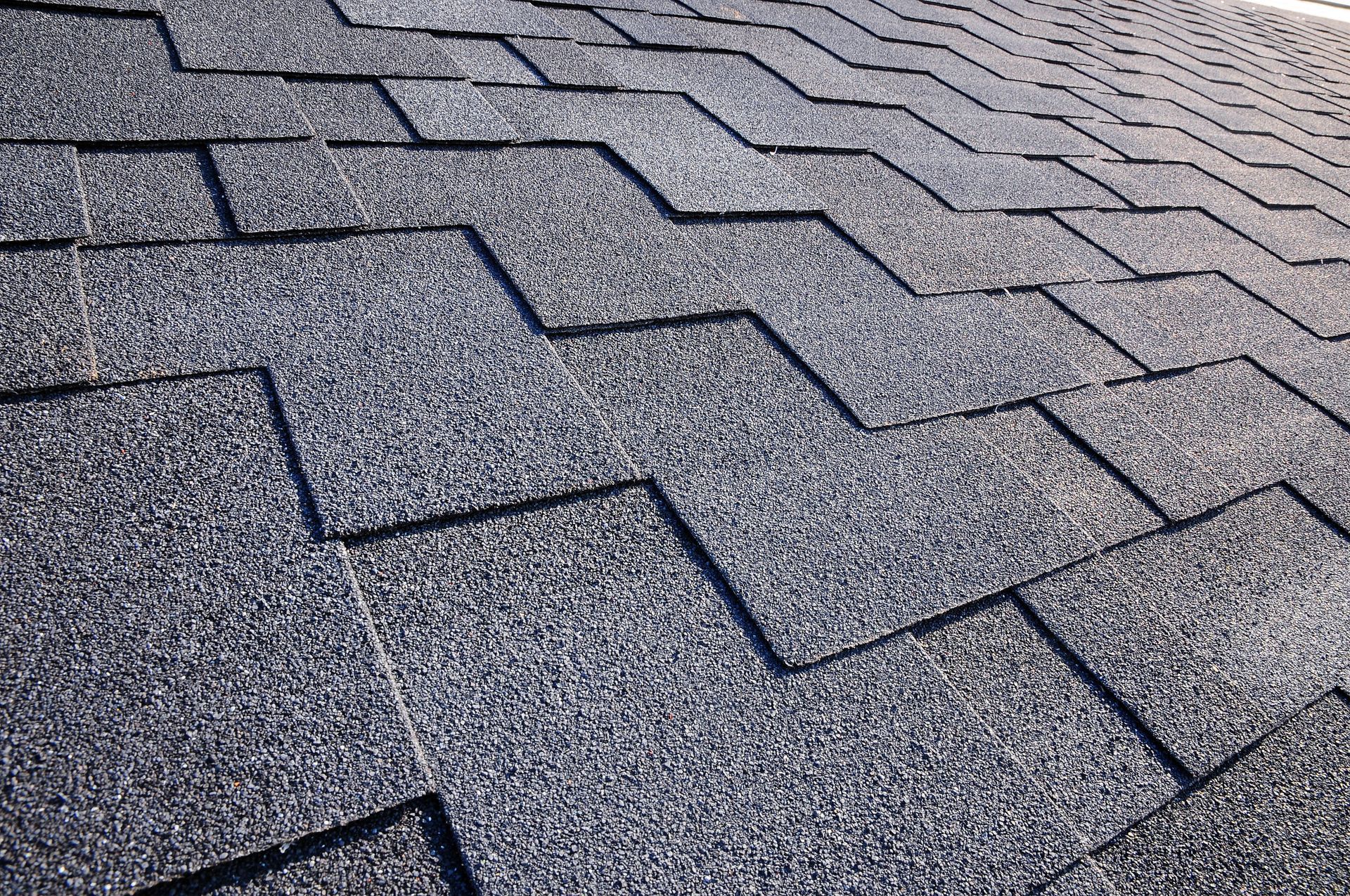
Different roofing materials exhibit varying lifespans and durability, which impacts the overall cost. Asphalt shingles, for instance, may be less costly upfront but might require more frequent replacements compared to metal roofing. According to Today's Homeowner, roofs that are more than 20 years old often need frequent repairs, which can make full replacement the more practical long-term option. Factors such as material longevity must therefore be considered for a detailed cost analysis. By evaluating the lifecycle of roofing materials, homeowners can make informed decisions that balance initial expenses with long-term savings.
The choice of brand and appearance significantly influences roofing costs. Premium brands often offer superior materials or extended warranties, justifying their higher price point. Additionally, aesthetic considerations like color, texture, or design can also increase costs, especially if they require specialized installation techniques. These selections add to the overall appeal and value of the property, but the associated costs must be weighed carefully. For many homeowners, the additional investment in aesthetics is worthwhile given the added curb appeal and potential resale value.
The proximity and availability of suppliers can significantly impact material pricing. Regions with limited access to certain materials may experience higher transportation costs, which can increase overall project expenses. Conversely, areas with a robust supply chain may benefit from competitive pricing and faster delivery times. These factors can contribute to more efficient project timelines and cost management. Understanding local supply dynamics is crucial for accurate roofing estimates and timely completion.
Roof Complexity and Design
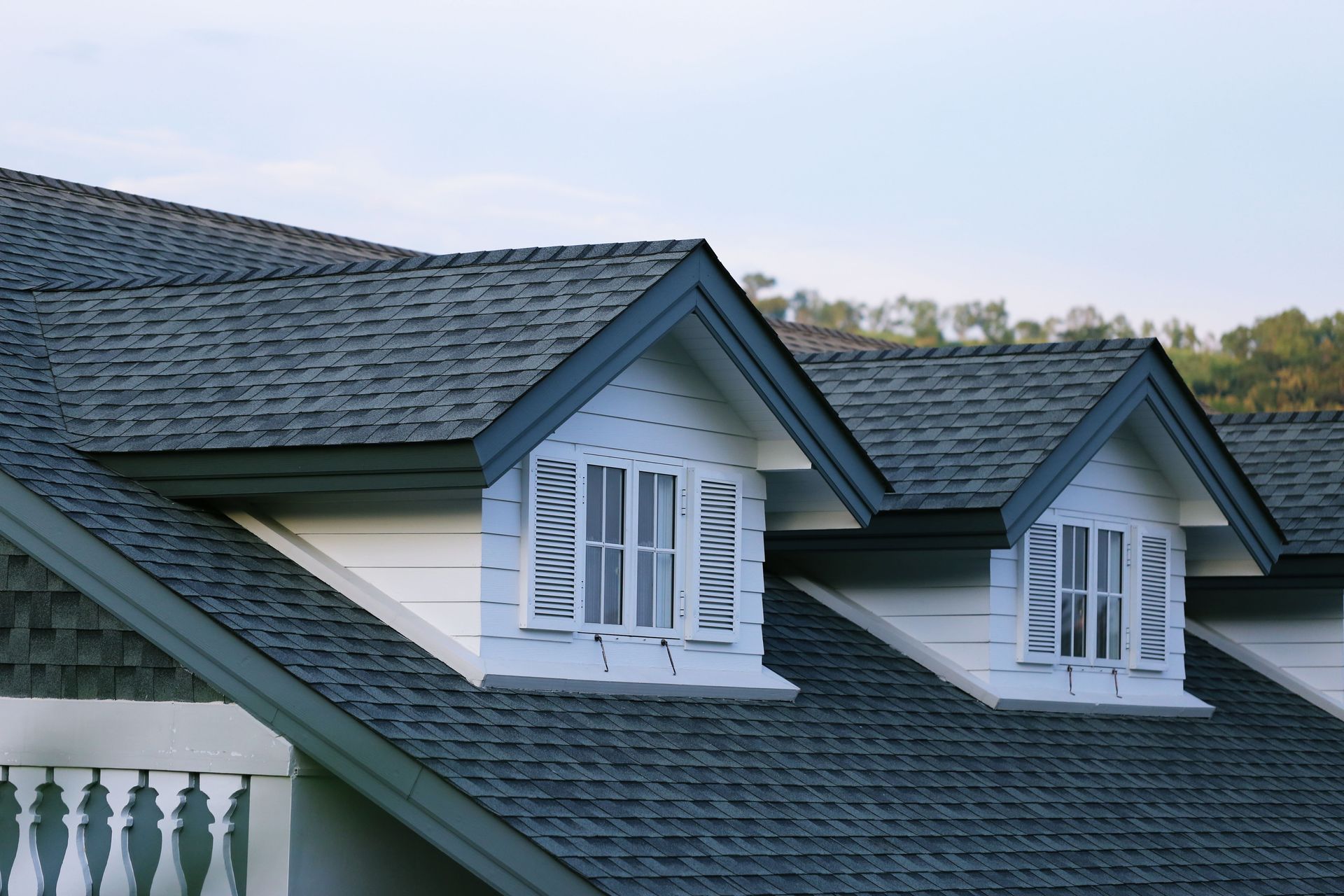
The complexity of a roof structure plays a significant role in determining labor time and costs. More intricate designs with multiple planes increase the difficulty and time required for installation. Each additional plane adds complexity, demanding careful measurement, specialized techniques, and increased labor hours. Consequently, estimates for roofs with numerous planes tend to be higher than those with simpler designs. Understanding these dynamics is crucial for accurate cost assessments and project planning.
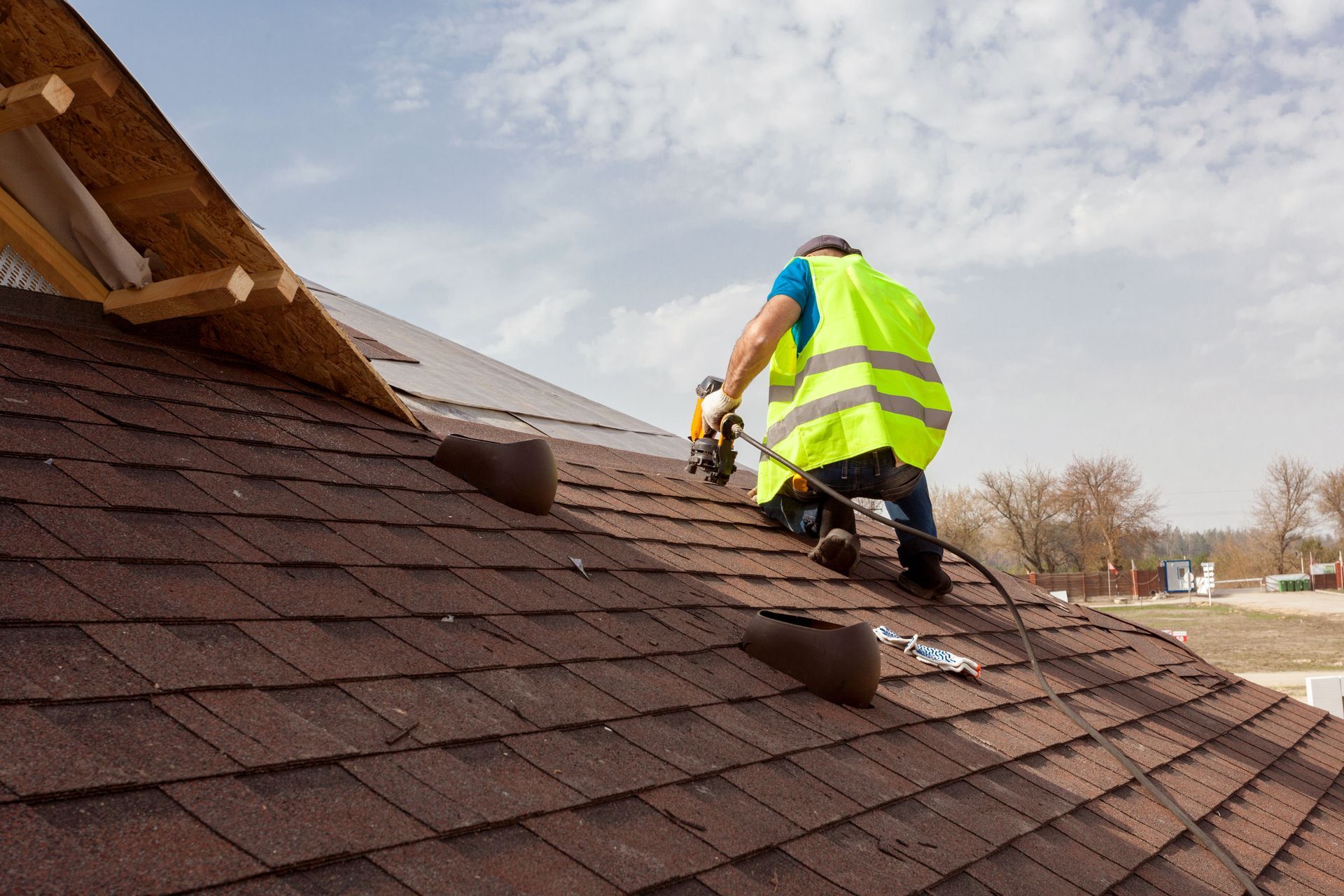
Increased roof slopes and pitches pose unique challenges that influence roofing costs. Steeper surfaces demand additional safety equipment and techniques, contributing to the overall project expenses. Additionally, the pitch can affect the choice of materials, further impacting cost. For instance, materials suited for steep pitches may be inherently more costly due to their specialized applications. Recognizing these considerations is essential for adjusting estimates appropriately.
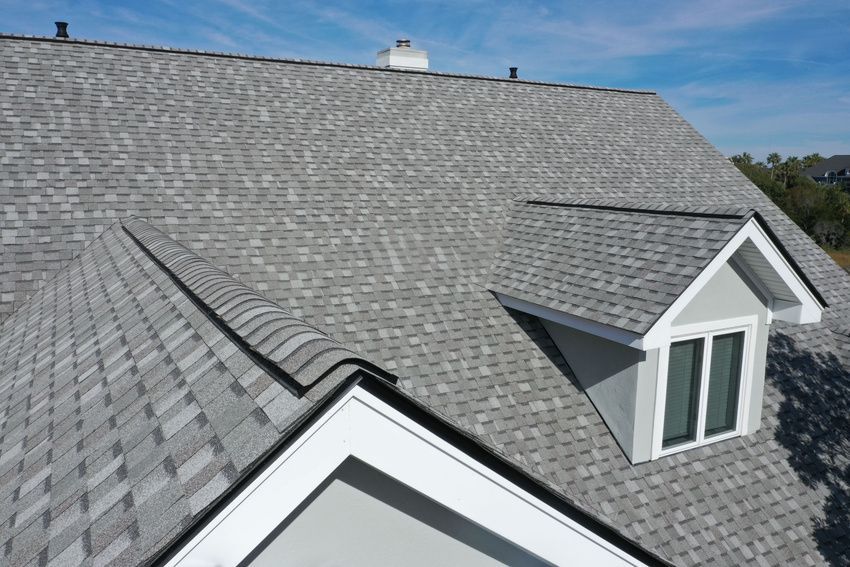
Architectural features such as skylights, chimneys, and vents can introduce additional cost factors to a roofing estimate. These elements require precise fitting and sealing, increasing labor efforts and materials. The inclusion of unique features may necessitate custom solutions or modifications to standard installation techniques. Each feature carries additional investment but can add significant value and functionality to a home. Thus, careful evaluation of the costs and benefits associated with architectural features is necessary.
Labor Availability and Skill Level
The availability of skilled roofing professionals in a local area directly influences project costs. In regions with high demand and limited labor supply, prices tend to be higher due to competition for workers. Conversely, areas with abundant skilled labor may experience more competitive pricing structures. Thus, the local labor market's dynamics play a critical role in shaping roofing estimates. By understanding these dynamics, homeowners can anticipate labor-related cost variations.
Hiring experienced and specialized roofing crews often incurs a premium cost but results in enhanced quality. Skilled professionals are usually more efficient, reducing project timelines and potential issues. Moreover, specialized teams are adept at handling unique designs, complicated installations, or premium materials. While this expertise may increase initial costs, it often leads to longer-lasting and aesthetically pleasing results. Recognizing the value of experience and specialization is key for informed decision-making.
Urgency in project completion can significantly affect a roofing estimate. Expedited timelines may require additional labor, overtime pay, or prioritization fees. This urgency can result from homeowner preference or necessity, impacting financial and logistical planning. By strategically assessing the project timeline, stakeholders can align expectations with budget considerations. Ultimately, balancing urgency with cost is vital for efficient and satisfactory project execution.
Site-Specific and Safety Challenges
Accessibility challenges can significantly affect roof installation costs. Difficulty accessing the roof, such as steep surroundings or height, can require special equipment or increased labor efforts. These factors inevitably add complexity and cost to the project. Planning for any accessibility-related expenses is essential for comprehensive budgeting. Addressing these challenges upfront contributes to accurate cost estimations and project smoothness.
Prior assessments of structural integrity are critical in determining repair or replacement needs before roofing. Discovering underlying weaknesses or damages may lead to unexpected costs and timeline extensions. Executing necessary repairs ensures the durability and safety of the new roof, despite the initial cost burden. Structural evaluations are worthwhile for informed decision-making and successful project outcomes. Anticipating these contingencies is essential for realistic cost appraisals.
Roofing projects might require additional efforts to safeguard surrounding property and landscaping. Protective measures might involve coverings, barriers, or cleaning services, impacting overall costs. These precautions prevent property damage or disputes with neighbors, ensuring project smoothness. Factoring in surrounding property protection prevents unexpected financial setbacks. Proactive planning and communication can mitigate these risks effectively.
The final roofing estimate is a complex equation influenced by multiple hidden factors. By understanding these underlying elements, homeowners and contractors can better navigate the estimating process and ensure more accurate, comprehensive budgeting and planning. Awareness and consideration of these details will lead to a smoother execution of roofing projects and mitigate unexpected financial surprises. Get in touch with A-A-A Schwartz Roofing Inc. for all of your roofing needs.