December 17, 2025
Hiring a local roofer is a significant decision that affects both the safety of your home and its value. With an abundance of roofers available, it's crucial to make a well-informed choice. This article breaks down the essential questions you must ask your local roofing expert to ensure you receive quality service and value for your investment.
A proactive approach in your initial conversations can prevent costly mistakes and disappointments down the line. By understanding the nuances of the roofing process, you can gauge the competency and reliability of your potential contractor. Here, we present six critical questions to include in your discussions.
These questions will not only provide you clarity but will also set your project up for success. Whether you're replacing an old roof or installing a new one, this guide will empower you to ask the right questions. It serves as a checklist to ensure transparency and reliability from the onset of your project.
1. What is your experience and history in the roofing industry?
Understanding the experience of a local roofer is key to determining their expertise and reputation. Inquire about the number of years they've been in business, which can give you an idea of how seasoned they are. An established local roofer typically has a proven track record, which is reassuring when trusting someone with such an important part of your home. If they have been operational for many years, this could indicate stability and reliability. Furthermore, a company with a long history often evolves by embracing new technologies and methodologies.
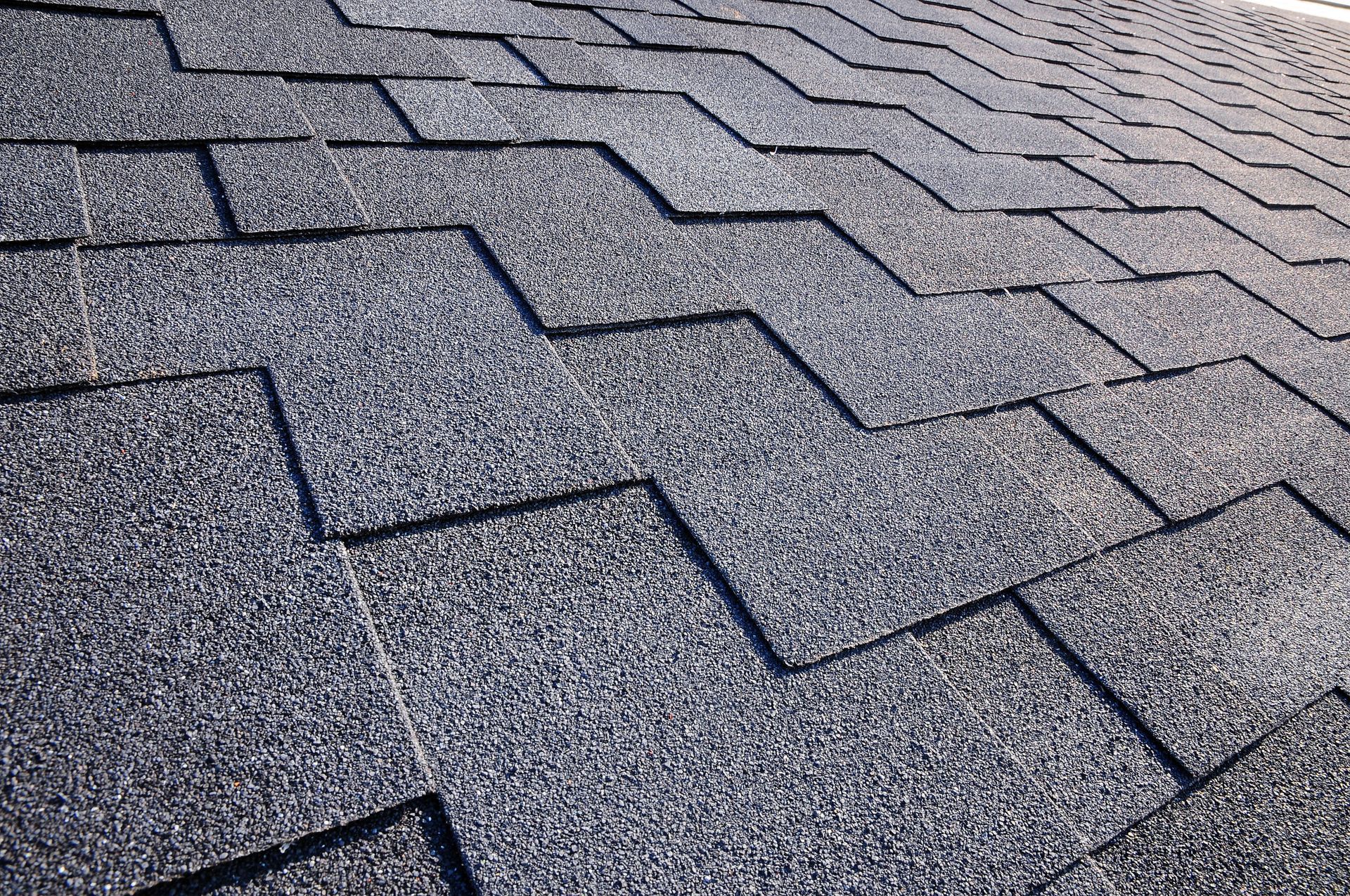
Next, delve into the types of roofs they have previously installed or repaired. A versatile local roofer is adept with various roofing materials such as asphalt shingles, metal, and tile. According to WifiTalents, the average lifespan of an asphalt shingle roof is typically 15 to 25 years, depending on maintenance and environmental conditions. This can give you an idea about the longevity you can expect when the right materials are chosen. Specialization in particular types of roofing can indicate depth of knowledge and skill.
The credibility of a local roofer is further highlighted by their special training or certifications. Certifications from manufacturers or industry bodies enhance a roofer's credibility, demonstrating their commitment to excellence. Additionally, ask for customer testimonials and case studies that reflect their work ethic and quality. Positive reviews and detailed case studies can provide insight into past projects and client satisfaction. Consider the typical project timelines they offer to gauge their efficiency and ability to meet deadlines.
2. Are you licensed and insured?
Confirming the local roofer is licensed is fundamental. Different states may have varying requirements, but a valid license assures compliance with local regulations. Licensing often ensures that the roofer has met basic standards of training and ability, providing a level of trustworthiness. It's crucial to ask for proof of insurance coverage. This protects you and the workers in case of accidents or damages during the roofing process.
Dive into the specifics of worker's compensation and liability insurance. Worker's compensation insurance is essential as it covers medical expenses and lost wages if workers are injured on the job. Ask for evidence of these policies to avoid potential legal or financial liabilities. Understanding liability insurance specifics ensures that you're not on the hook for accidents or unexpected damages to your property. Knowing that you're protected gives you peace of mind as the project progresses.
Be wary of the risks associated with hiring an unlicensed contractor. They might offer lower rates, but the lack of legal oversight could result in subpar workmanship. Unlicensed contractors may also lack insurance, leaving you financially vulnerable. Guaranteeing that your chosen local roofer is fully licensed and insured is an important step in securing professional and dependable service. This assurance provides a foundation of trust and security between you and your roofer.
3. What materials do you recommend and why?
The choice of materials can significantly impact your roof's longevity and performance. Inquire about the roofer's recommended materials and the reasons behind their suggestion. A knowledgeable local roofer will compare various materials, considering factors like durability, maintenance, and cost. Asphalt shingles, for example, are common due to their affordability and decent lifespan. Each material offers unique benefits and disadvantages that should be weighed carefully.
Several factors influence material choice, including climate, budget, and aesthetic preferences. The roofer should consider your local weather conditions when recommending materials to ensure optimal performance. Energy efficiency and eco-friendliness might also play a role in your decision. An experienced local roofer will explain how your chosen material withstands your environment and aligns with personal values like sustainability. Understanding these considerations helps you make an informed decision.
Discuss long-term durability versus the immediate cost-effectiveness of different materials. While cheaper options might seem appealing initially, more durable materials can offer better value over time due to lower maintenance and replacement needs. Consider eco-friendly and energy-efficient options, which can decrease your utility bills and reduce your carbon footprint. Ask about manufacturer warranties and what they cover, as these are integral to assessing the lifetime value of your roofing material. A comprehensive warranty can offer added assurance about the material's reliability.
4. What does your warranty cover?
A clear understanding of the roofer's warranty offerings can safeguard your investment. Start by inquiring about the length of the warranty period for both materials and workmanship. A longer warranty might indicate a contractor's confidence in their products and services. Make sure distinctions between material and workmanship warranties are well understood. Each type covers different aspects of the roofing project and should be clearly outlined to avoid future misunderstandings.
The claim process for warranty issues is another crucial aspect. Understanding this process in advance helps streamline future repairs if needed. Discuss any exclusions or limitations of coverage, which can be buried in the fine print of the contract. Knowing what is excluded from your warranty coverage prevents surprises down the road. By asking these questions upfront, you ensure that the warranty is comprehensive and best suited for your needs.
Also, inquire about the transferability of the warranty. If you plan to sell your house in the future, a transferable warranty could add value to your property and attract potential buyers. A non-transferable warranty, however, might limit the roof's value to future homeowners. By discussing warranty details ahead of time, you can decide how they fit into your long-term homeownership plans. Ultimately, a well-defined warranty adds a layer of protection and peace of mind to your roofing investment.
5. What is your safety protocol on-site?
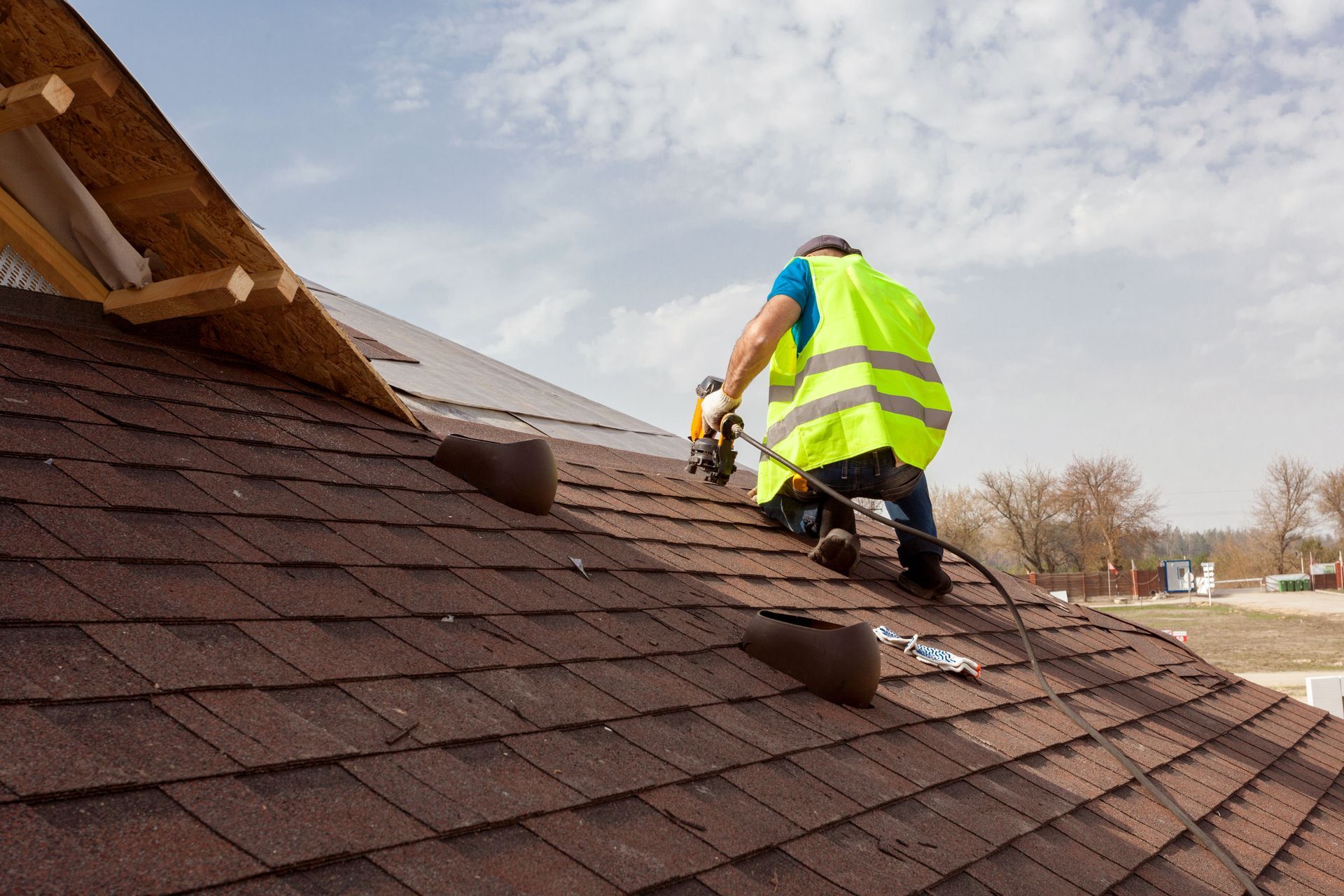
Roofing is inherently hazardous, so a roofer's safety protocol is vital. Ask about the use of safety equipment to ensure that workers are protected. Essential equipment can include harnesses, helmets, and other personal protective gear. Safety measures should not be overlooked, as they protect both the roofer and your property from damage. A local roofer committed to safety demonstrates professionalism and care for their workforce's well-being.
Inquire about any on-site accident prevention measures. Prevention is key, reducing the likelihood of injuries and accidents. Roofer training programs emphasizing safety can highlight their commitment to minimizing risks. Regularly updated training ensures the workforce is informed about the latest safety standards and practices. A well-trained crew is crucial for maintaining a secure work environment while completing your project efficiently.
Keenly examine their emergency procedures to understand how incidents are managed. Well-defined protocols ensure efficient responses to accidents, thus reducing harm and disruption. Make sure the roofer complies with OSHA regulations, which set the industry's safety standards. Compliance with these guidelines not only assures worker safety but also reflects the contractor's commitment to lawful and ethical practices. Having trust in your roofer's safety protocols further enhances your confidence in them.
6. Can you provide a detailed written estimate?
A written estimate serves as a foundation for your roofing contract. Request a detailed breakdown of costs, including materials, labor, and additional expenses. Transparency in financial matters is essential to prevent unexpected costs later. Discuss the payment schedule and terms to plan your finances accordingly. A reliable roofer should accommodate various payment methods and schedules, considering your convenience.
Furthermore, address how unforeseen expenses are handled to stay prepared. Weather, material prices, or unforeseen issues might alter the project's budget. Knowing how the roofer handles such changes is crucial to averting disputes. Compare the roofer's estimate with market rates to ensure competitiveness and fairness. A significant price deviation might need further investigation about the quality or extent of services offered.
Lastly, verify the validity period of the estimate to manage your timescales efficiently. An expired estimate potentially implies higher costs if delayed. Ensure the written estimate includes all discussed details and terms to safeguard your interests. In doing so, you're ensuring transparency and aligning expectations, establishing a solid foundation for your working relationship. Being meticulous about the estimate avoids surprises and ensures the necessary insights into your financial commitments.
Choosing the right local roofer is vital in ensuring the lasting safety and value of your home. The questions discussed here aim to equip you with necessary information and insights. Being informed allows you to make confident decisions, minimizing risks related to hiring inexperienced or unscrupulous contractors.
By probing into a roofer's experience, licensing, material recommendations, warranties, safety measures, and estimates, you establish a clear understanding of what to expect. Such thoroughness in discussions means fewer surprises and more satisfaction once the project is complete. The ultimate goal is to achieve a dependable and aesthetic roofing solution tailored to your specific needs and budget.
Asking the right questions facilitates a transparent and effective conversation with your local roofer. This approach not only secures reliability and efficiency but also fosters a trusting professional relationship. Being a diligent consumer is your best defense against substandard work, ensuring you receive the value and peace of mind that your home deserves. If you're looking for a reliable local roofer, get in touch with A-A-A Schwartz Roofing Inc today.